

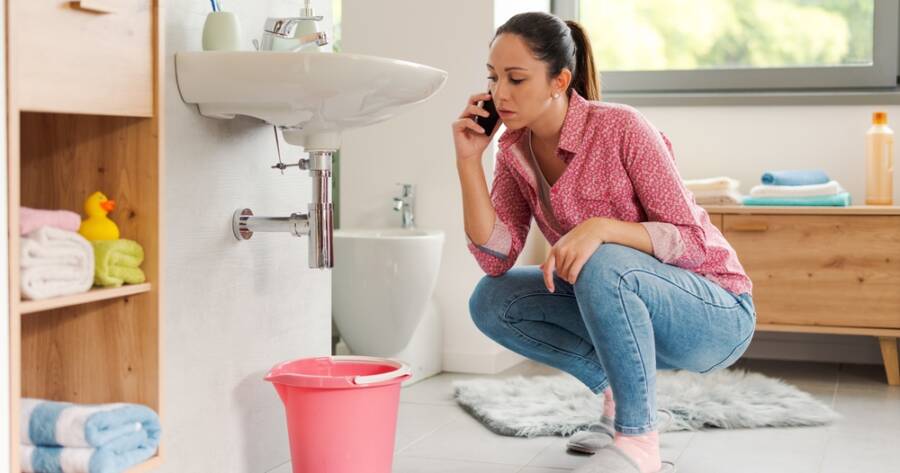
Understanding the nuances of plumbing systems, especially in older homes, is crucial for avoiding unnecessary expenses and ensuring efficient maintenance. By discerning when to tackle DIY projects and when to seek professional help, investing in quality materials, and prioritizing preventive maintenance, homeowners can achieve significant savings. Understand how key strategies can effectively manage plumbing needs and enhance system longevity.
Understanding Your Plumbing System
Understanding your plumbing system is essential, especially in older homes, to access affordable plumbing services and prevent unnecessary expenses. Older homes often have unique plumbing quirks that require special attention.
Regular maintenance and inspection of your plumbing system can save significant money by catching issues early. Just like regular check-ups for your car or health, proactive care for your plumbing can prevent costly repairs (source).
DIY vs. Professional Help
Knowing when to DIY and when to hire a professional is key to saving money on plumbing. Simple tasks like replacing a faucet or unclogging a drain can be done by homeowners, but complex jobs like pipe repairs or water heater installations should be left to professionals to avoid costly mistakes.
Proper use of a plunger can prevent unnecessary plumbing service calls. Many people own a plunger but do not know how to use it effectively. A plunger can be used not only for clogged toilets but also for sinks, making it a versatile tool for minor plumbing issues (source).
Choosing the Right Plumber
Choosing the right plumber involves ensuring they have experience, especially with older homes, to avoid misdiagnoses and extra costs. It’s important to ask for recommendations, read reviews, and understand quotes to ensure there are no hidden charges.
Affordable plumbing services do not necessarily mean the cheapest option; they focus on providing quality work at reasonable rates, ensuring long-term savings by doing the job right the first time. Building a relationship with a reliable plumber who understands your home’s plumbing system can lead to early detection of potential issues, reducing the likelihood of expensive emergency repairs (source).
Investing in Quality Materials
Investing in quality plumbing fixtures and materials can lead to long-term savings. While the initial cost may be higher, the longevity and reliability of quality materials can prevent future expenses.
Water conservation can significantly reduce water bills. Simple changes in water usage not only benefit the environment but also help in saving money. Smart plumbing upgrades, such as installing WaterSense fixtures and efficient irrigation systems, can significantly reduce water consumption and utility bills, offering long-term savings for homeowners (source).
Preventive Maintenance
Routine plumbing maintenance, such as annual inspections, can prevent costly emergency repairs by catching small issues early, saving homeowners significant amounts in potential water damage and repair costs. Preventive maintenance strategies, including regular drain cleaning and inspecting visible pipes, are essential for avoiding expensive repairs and ensuring the longevity of the plumbing system.
Detecting leaks early using simple methods, such as checking the water meter or using smart water monitors, can prevent water wastage and reduce utility bills, making it a cost-effective strategy for homeowners (source).
Why You Should Learn More About Plumbing
Understanding the intricacies of plumbing can lead to significant savings and prevent costly repairs. By knowing when to DIY and when to call a professional, investing in quality materials, and maintaining a regular maintenance schedule, homeowners can ensure their plumbing systems run efficiently.
Additionally, choosing the right plumber and understanding the value of preventive maintenance can further enhance savings and system longevity. With these strategies, homeowners can effectively manage their plumbing needs and avoid unexpected expenses.